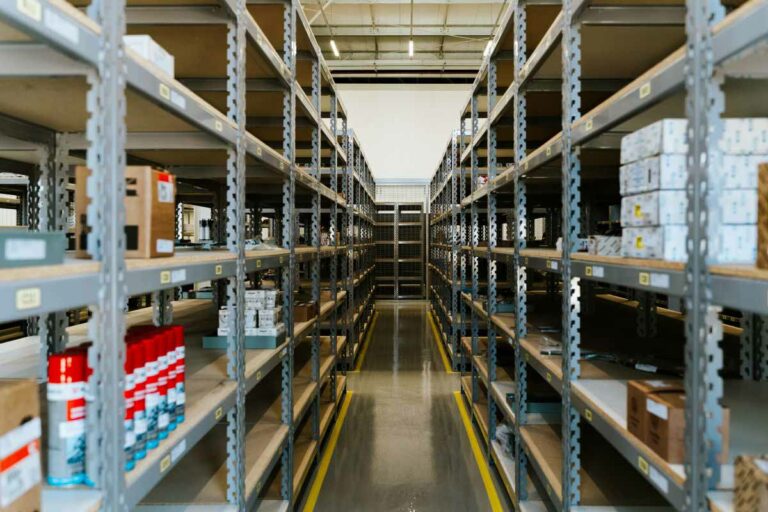
When people think of aviation, they often picture aircraft, pilots, airports, or sophisticated maintenance facilities. Very few appreciate the intricate ecosystem operating behind every successful flight – the network responsible for sourcing the right part, procuring it at the right price, ensuring regulatory compliance, and delivering it to the aircraft before operational schedules are disrupted.
In today’s aviation environment, Sourcing, Procurement and Logistics (SPL) are no longer back-office functions. They have evolved into strategic disciplines that directly influence aircraft availability, safety, operational reliability, and profitability.
As fleets continue to grow across India and the Asia-Pacific region, operators are discovering that maintaining an efficient supply chain can often be as challenging as maintaining the aircraft itself.
The Hidden Cost of Procurement Delays
Every aircraft on ground (AOG) situation tells the same story.
A component fails unexpectedly. Engineering identifies the replacement. The aircraft cannot fly until the part arrives. What follows is often a race against time involving multiple vendors, customs authorities, logistics providers, OEMs, and maintenance organizations.
The cost is rarely limited to the replacement component.
Operators may face:
- Flight cancellations
- Passenger inconvenience
- Revenue losses
- Crew scheduling disruptions
- Additional parking charges
- Customer dissatisfaction
- Regulatory implications
A delay of even a few hours can multiply into significant operational and financial consequences.
This is precisely why aviation procurement differs fundamentally from conventional purchasing.
Aviation Procurement is a Specialist Function
Unlike many industries where procurement focuses primarily on obtaining the lowest price, aviation demands a far more sophisticated approach.
Every purchase must consider:
- Airworthiness compliance
- Component traceability
- Certification requirements (FAA/EASA/DGCA)
- Shelf life limitations
- Service Bulletins and Airworthiness Directives
- Export control regulations
- Warranty status
- Approved vendor qualification
- Logistics lead times
Selecting the cheapest supplier without evaluating these factors can become considerably more expensive than choosing the right supplier initially.
The objective is not merely acquiring a component – it is acquiring an airworthy component with complete documentation, delivered within operational timelines.
The Growing Challenge of Global Supply Chains
The aviation industry has witnessed unprecedented disruption over the past few years.
Manufacturing backlogs, semiconductor shortages, geopolitical events, transportation bottlenecks, and increasing demand have all contributed to longer lead times for numerous aircraft parts.
Operators increasingly encounter situations where:
- OEM lead times extend beyond six months.
- Consumables become unexpectedly unavailable.
- Exchange pools become constrained.
- Freight costs fluctuate significantly.
- Customs clearances delay urgent shipments.
These realities have transformed procurement from a transactional activity into an exercise requiring strategic planning, supplier diversification, and global networking.
Organizations that establish reliable sourcing channels gain a measurable competitive advantage.
Consumables Matter More Than Most People Realize
Major aircraft components naturally receive considerable attention. However, aircraft maintenance often depends equally on the availability of relatively inexpensive consumables.
O-rings, seals, hardware, lubricants, filters, adhesives, fasteners, electrical connectors, safety wire, chemicals, and hundreds of other consumables determine whether maintenance tasks proceed as scheduled.
A missing consumable costing only a few dollars can delay maintenance activities worth several thousand dollars.
Effective inventory planning therefore becomes just as important as major component procurement.
Forward-looking operators increasingly optimise stocking policies based on fleet utilisation, maintenance forecasts, and historical consumption trends rather than reactive purchasing.
Digital Procurement is Changing Aviation
Technology is rapidly reshaping procurement practices.
Modern procurement professionals increasingly utilise:
- Digital vendor databases
- Online inventory exchanges
- Predictive demand planning
- ERP integration
- Vendor performance analytics
- Electronic documentation management
- Automated RFQ comparison
- Supply chain dashboards
Artificial Intelligence is also beginning to assist procurement teams by forecasting demand patterns, identifying alternate sourcing opportunities, analysing supplier performance, and reducing procurement cycle times.
However, technology alone cannot replace domain expertise.
Knowing whether an alternate part is acceptable, understanding regulatory implications, or evaluating documentation still requires experienced aviation professionals.
Logistics: The Final Link That Determines Success
Even after identifying the correct supplier, logistics determines whether procurement succeeds.
International aviation logistics demands coordination across multiple stakeholders:
- Freight forwarders
- Customs brokers
- Airlines
- Courier partners
- Dangerous Goods specialists
- Export control authorities
- Warehousing providers
Temperature-sensitive materials, hazardous goods, batteries, oversized aircraft components, engines, and landing gear assemblies each require specialised handling.
For AOG situations, logistics becomes even more critical.
A well-coordinated logistics network can reduce aircraft downtime from days to hours.
That difference directly translates into operational continuity and customer confidence.
Why Relationships Still Matter
Despite advances in digital procurement platforms, aviation remains a relationship-driven industry.
Trusted suppliers often provide:
- Priority allocations during shortages
- Faster quotations
- Better commercial terms
- Access to exchange inventories
- Technical guidance
- Flexible payment arrangements
- Emergency logistics support
Long-term partnerships frequently outperform transactional purchasing strategies, particularly during periods of global supply chain disruption.
Building these relationships requires consistency, transparency, technical competence, and mutual trust.
Procurement as a Strategic Business Function
Historically, procurement departments were evaluated primarily on cost savings.
Today, progressive aviation organisations measure procurement using broader performance indicators such as:
- Aircraft availability
- Procurement turnaround time
- Vendor reliability
- On-time delivery
- Documentation accuracy
- Inventory optimisation
- Total cost of ownership
- Supply chain resilience
The emphasis has shifted from purchasing cheaper to purchasing smarter.
A procurement team that consistently prevents AOG events delivers value far exceeding negotiated discounts.
The Opportunity for Indian Aviation
India’s aviation sector is entering a period of unprecedented expansion.
New airlines, fleet growth, increasing MRO capability, regional connectivity initiatives, and expanding business aviation collectively create substantial demand for efficient aviation supply chain services.
At the same time, many operators continue to rely on fragmented procurement processes involving multiple intermediaries.
This presents a significant opportunity for specialised organisations capable of offering integrated sourcing, procurement, vendor management, documentation support, and logistics coordination under one umbrella.
Such integrated models reduce procurement complexity while improving transparency, compliance, and operational responsiveness.
Looking Ahead
The future of aviation procurement will not be defined solely by who stocks the most parts.
It will belong to organisations that combine technical knowledge, global supplier networks, digital capabilities, regulatory understanding, and responsive logistics into a seamless service offering.
As aircraft become more technologically advanced and supply chains increasingly interconnected, procurement professionals will play an even more strategic role in ensuring operational continuity.
Ultimately, aviation has always been about connecting people and places.
Behind every successful flight is another network – one that quietly connects manufacturers, distributors, logistics providers, maintenance organisations, regulators, and operators.
Passengers may never notice this invisible supply chain.
But without it, aircraft simply do not fly.
About Aviatech360
Recognising the growing complexities of aviation supply chains, Aviatech360 has expanded its portfolio to include a dedicated Sourcing, Procurement & Logistics vertical focused exclusively on the aviation industry. Leveraging an extensive network of OEMs, authorised distributors, MROs, and global logistics partners, the company supports operators with the most economical sourcing of aircraft components, rotables, consumables, tooling, test equipment, ground support equipment, and specialised aviation products.
By combining technical expertise with procurement discipline and coordinated logistics, Aviatech360 aims to simplify complex procurement challenges, enabling operators to focus on what matters most – keeping their aircraft safe, compliant, and mission ready.
The post Beyond Buying Parts: How An Aviation Co’s Strategic Sourcing, Procurement & Logistics Can Boost Profitability appeared first on N4M (News4masses).
from
https://news4masses.com/buying-parts-aviation-sourcing-procurement-logistics/


No comments:
Post a Comment